Understanding Depression: Signs, Causes, and Treatment
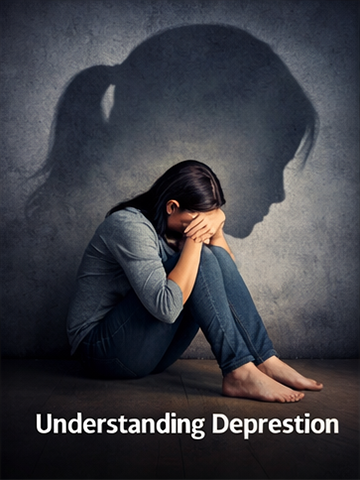
Depression is more than just feeling sad or having a bad day. It is a serious mental health condition that affects how a person thinks, feels, and functions in daily life. People with depression may experience persistent low mood, loss of interest in activities they once enjoyed, fatigue, changes in sleep or appetite, difficulty concentrating, feelings of worthlessness, or hopelessness. In some cases, thoughts of self-harm or suicide may also occur.
The causes of depression are complex and often involve a combination of factors. Biological influences such as brain chemistry, genetics, and hormonal changes can play a role. Psychological factors, including low self-esteem, chronic stress, or past trauma, may increase vulnerability. Social factors like relationship problems, financial difficulties, isolation, or major life changes can also contribute to the development of depression.
The good news is that depression is treatable. Effective treatment options include psychotherapy, such as cognitive behavioral therapy (CBT), which helps individuals change negative thought patterns. Medications like antidepressants may be recommended in some cases to help balance brain chemicals. Lifestyle changes, social support, and stress management are also important parts of recovery. With proper care and support, many people with depression can recover and lead fulfilling, meaningful lives.